ASSASSIANS CREED

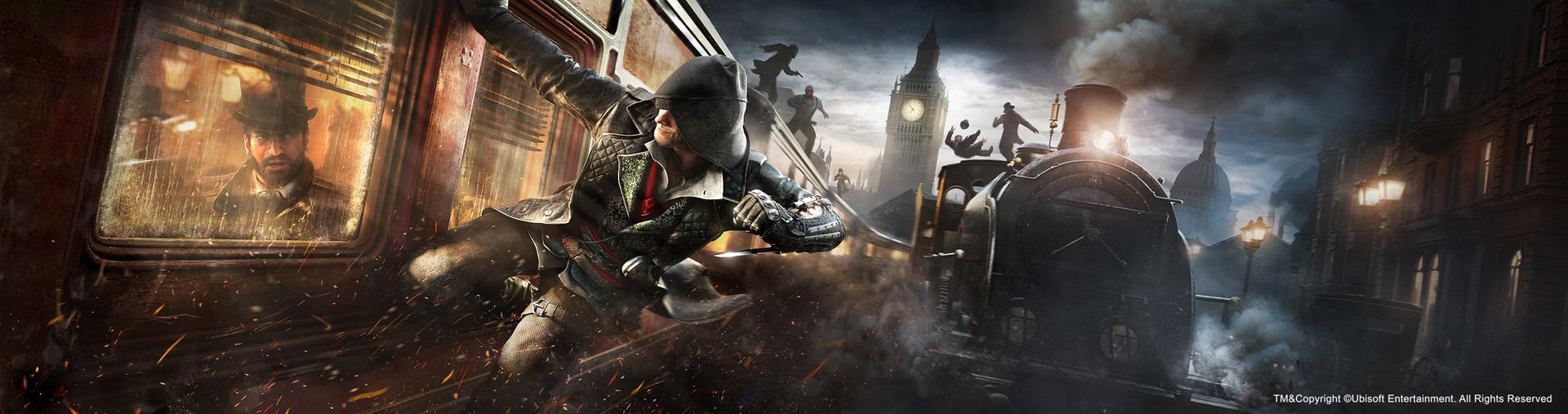


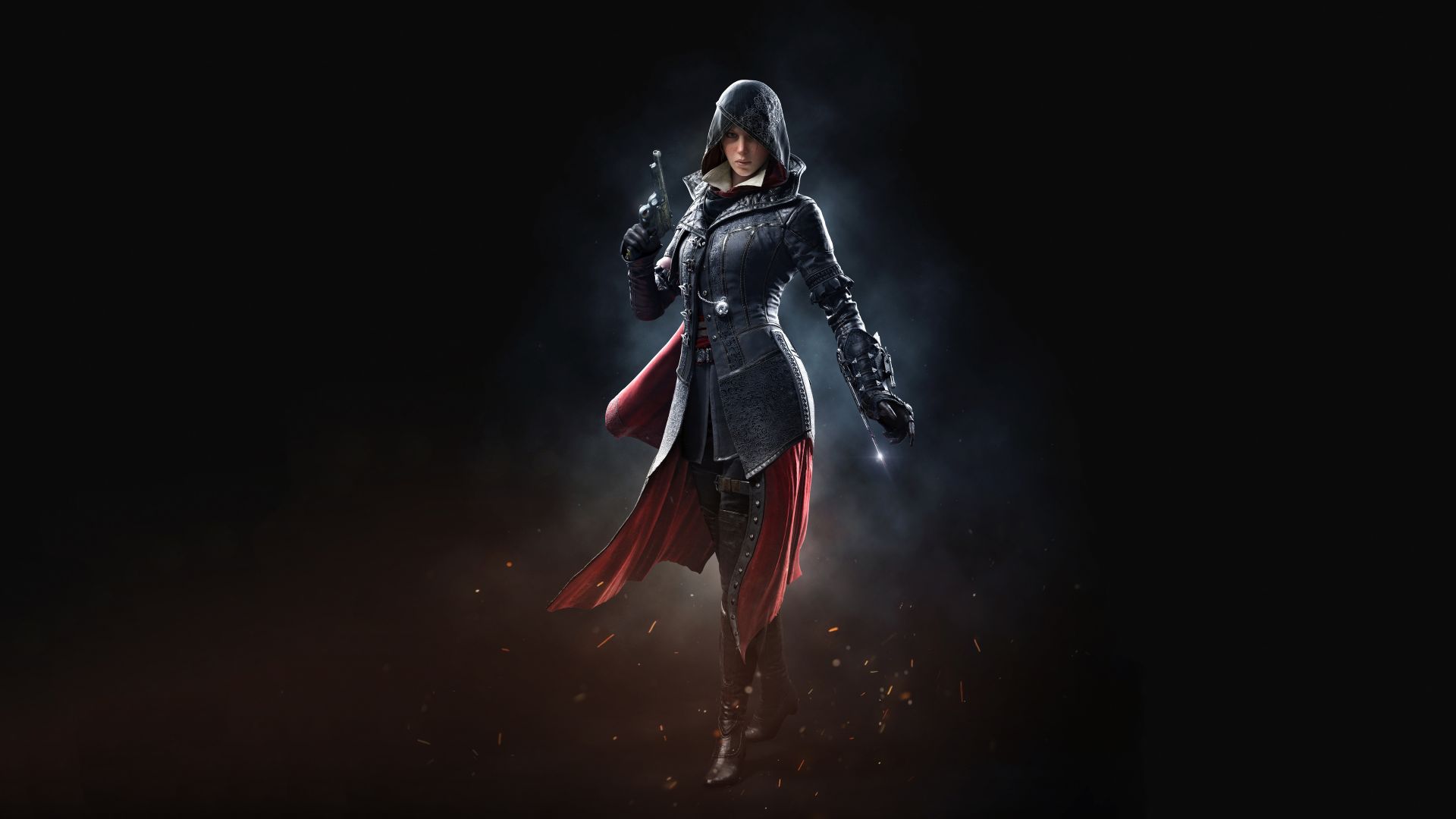
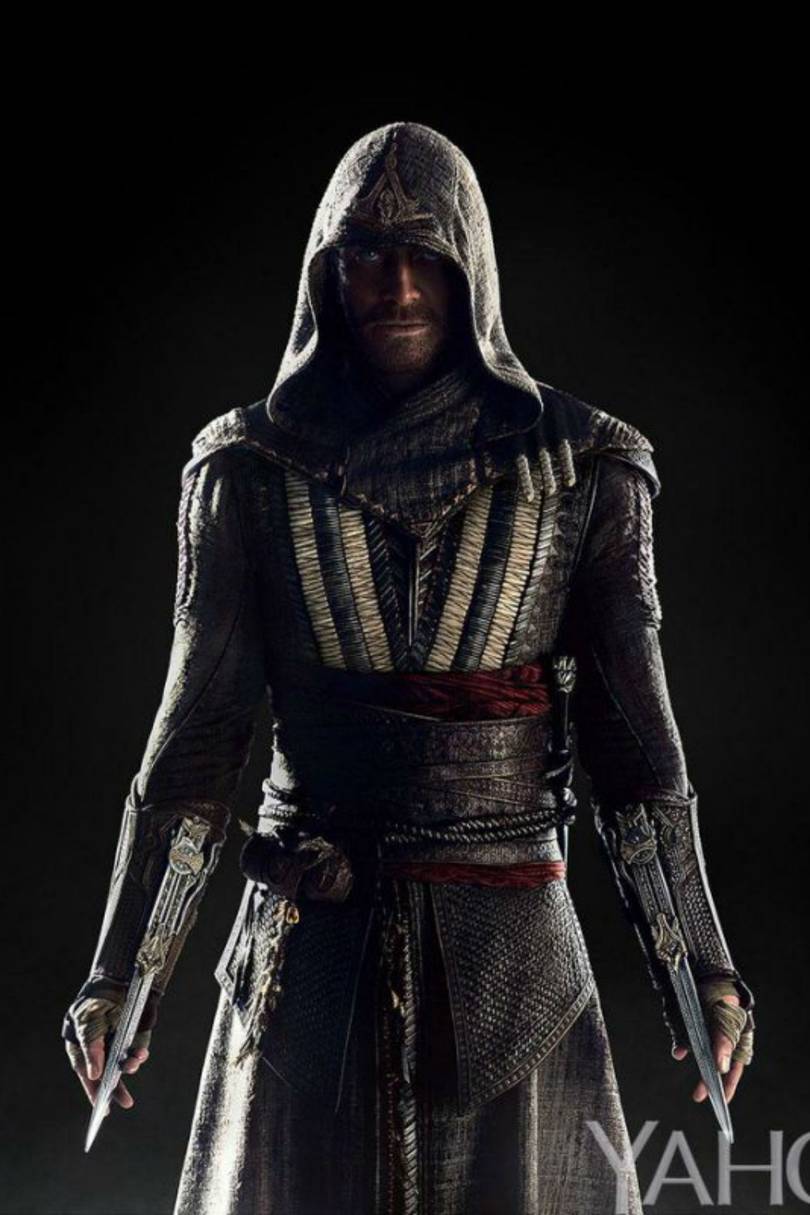
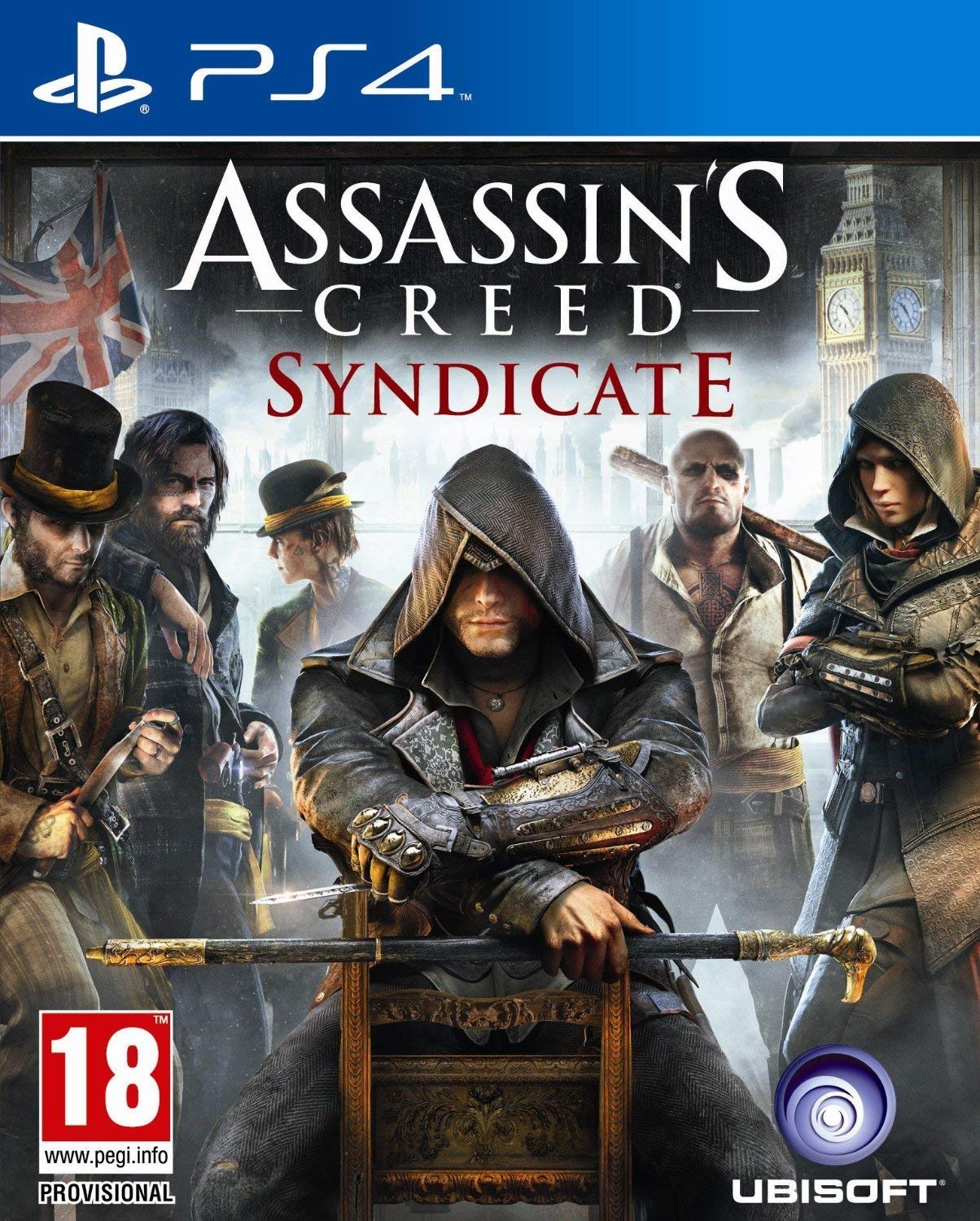
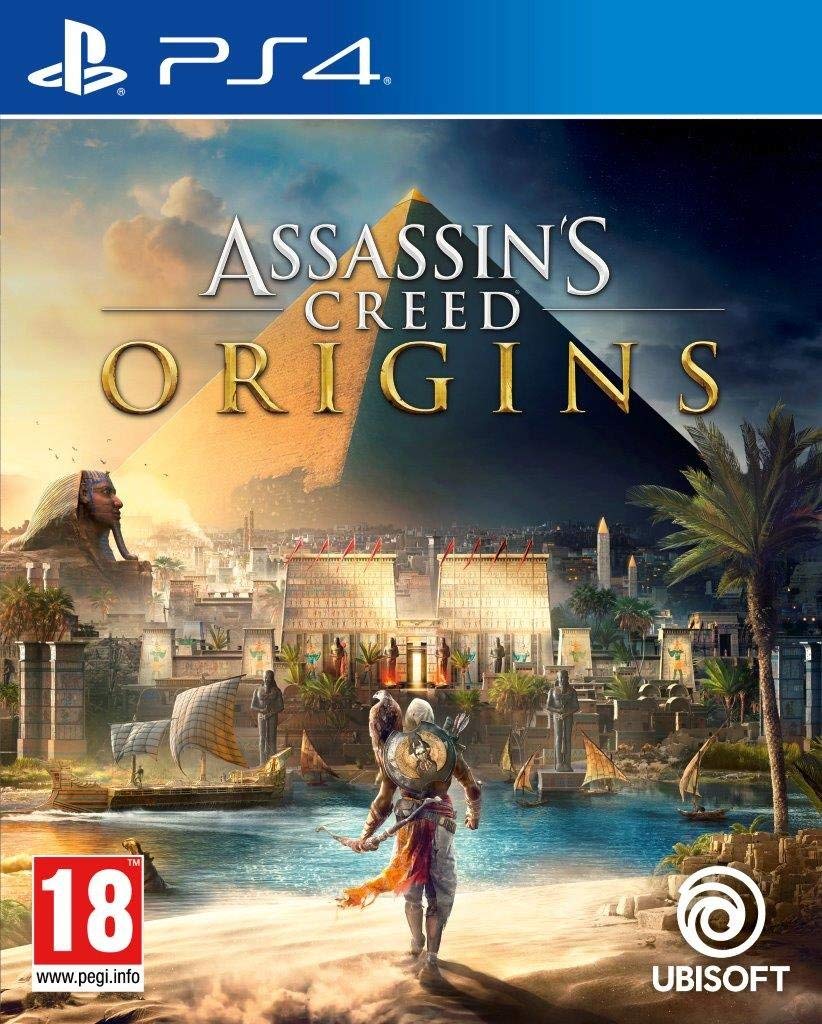
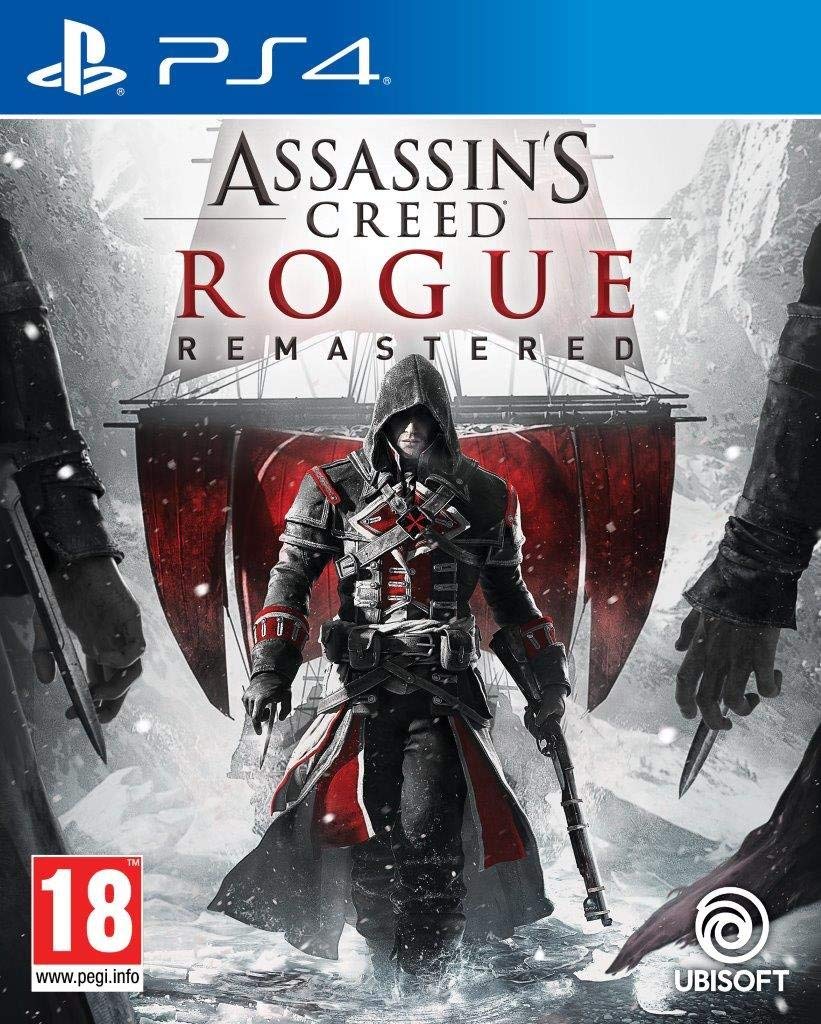
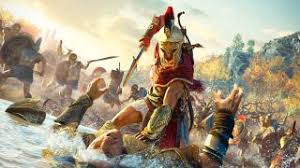
ASSASSIAN's CREED is an action-adventure stealth video game franchise created by Patrice Désilets, Jade Raymond and Corey May, developed and published by Ubisoft using the game engine Anvil and its more advanced derivatives. It depicts a centuries-old struggle, now and then, between the Assassins, who fight for peace with free will, and the Templars, who desire peace through control. The series features historical fiction, science fiction and characters, intertwined with real-world historical events and figures. For the majority of time players would control an Assassin in the past history, while they also play as Desmond Miles or an Assassin Initiate in the present day, who hunt down their Templar targets.
The plot is set in a fictional history of real-world events and follows the centuries-old struggle between the Assassins, who fight for peace with free will, and the Templars, who desire peace through control. The game primarily takes place during the Third Crusade in the Holy Land in 1191, with the plot revolving around the Secret Order of Assassins, based upon the Hashshashin sect. The player is, in reality, playing as a modern-day man named Desmond Miles, who, through the use of a machine named the "Animus", is allowed the viewing and controlling of the protagonist's genetic memories of his ancestors, in this case, Altaïr Ibn-La'Ahad, a member of the Assassins. Through this plot device, details emerge of a struggle between two factions: the Templar Knights and the Assassins, over an artifact known as the "Apple of Eden", an ancient artifact used to control minds.
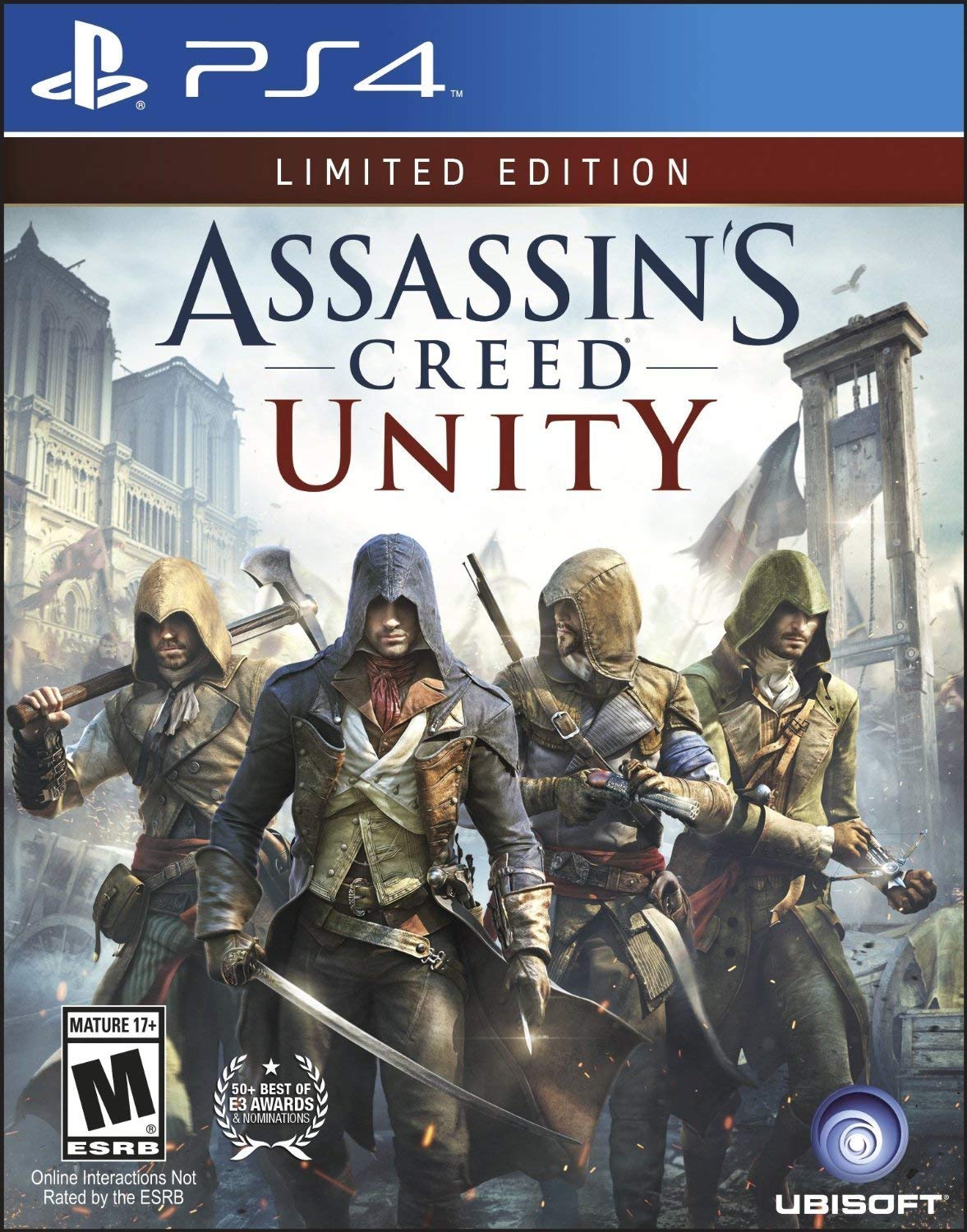
The game received generally positive reviews, with critics praising its storytelling, visuals, art design, and originality, although the game was also criticized for the repetitive nature of its gameplay. Assassin's Creed won several awards at E3 in 2006, as well as several end-year awards after its release. The game spawned a sequel, Assassin's Creed II, which was released in November 2009. Since the release and success of Assassin's Creed II, subsequent games have been released, with various other Assassins and time periods.
Assassin's Creed is an action-adventure game[6] set in an open world environment and played from a third-person perspective in which the player primarily assumes the role of Altaïr, as experienced by protagonist Desmond Miles. The primary goal of the game is to carry out a series of assassinations ordered by Al Mualim, the leader of the Assassins. To achieve this goal, the player must travel from the Brotherhood's headquarters in Masyaf, across the terrain of the Holy Land known as the Kingdom to one of three cities—Jerusalem, Acre, or Damascus—to find the Brotherhood agent in that city. There, the agent, in addition to providing a safe house, gives the player minimal knowledge about the target and requires them to perform additional reconnaissance missions before attempting the assassination. These missions include eavesdropping, interrogation, pickpocketing, and completing tasks for informers and fellow Assassins.
The player is made aware of how noticeable Altaïr is to enemy guards as well as the current state of alert in the local area via the "Social Status Icon". To perform many of the assassinations and other tasks, the player must consider the use of actions distinguished by its type of profile. Low-profile actions allow Altaïr to blend into nearby crowds, pass by other citizens, or perform other non-threatening tasks that can be used to hide and reduce the alertness level; the player can also use Altaïr's retractable hidden blade to attempt low-profile assassinations. High-profile actions are more noticeable, and include running, scaling the sides of buildings to climb to higher vantage points, and attacking foes; performing these actions at certain times may raise the local area's awareness level.
Reception
Assassin's Creed received "generally favorable" reviews from critics, according to review aggregator Metacritic. Several publications such as Eurogamer, while still awarding the game decent scores, pointed out a number of significant shortcomings. Eurogamer stated that the gameplay "never evolves and ultimately becomes a bit boring, and quite amazingly repetitive. In Andrew P.'s review for EGM (Kage), he wrote that the game features "a challenging parkour path of escape. Famitsu awarded the Xbox 360 version of Assassin's Creed , while the PS3 version received a 37 out of 40, positively citing the story, presentation, and acrobatics, while criticizing the one button combat, map layout, and camera problems. Game Informer awarded Assassin's Creed a 9.5 out of 10, praising the control scheme, replay value, and intriguing story, but expressing frustration over the "repetitive" information gathering missions. On The Hotlist on ESPNEWS, ESPN's Aaron Boulding called the game's concept of social stealth "fairly original" and added, "Visually, the developers nailed it. GameTrailers similarly praised the story (giving a 9.7 score to its story), and also cited repetitive gameplay and "moronic" AI as somewhat stifling its potential. "Assassins Creed is one of those games that breaks new ground yet fails in nailing some fundamentals," said Gametrailers.The game also received a 10 out of 10 from GamesRadar.According to GamePro, Assassin's Creed is one of the "finest gaming experiences ever created" if you are willing to be "patient" due to the lack of fast-paced action.
Accolades
Assassin's Creed won several awards at E3 2006. Game Critics awarded it "Best Action/Adventure Game,";[47] from IGN, "Best Action Game," "PS3 Game of the Show," "Best PS3 Action Game," "Best PS3 Graphics"; from GameSpot and GameSpy, "Best PS3 Game of the Show"; from GameTrailers "Best of Show," and from 1UP.com, "Best PS3 game." Creed was nominated for several other awards by X-Play[48] and Spike TV.[49] Assassin's Creed was listed by Game Informer at 143 in their list of the top 200 games of all time. It also received the editor's choice award from GameSpot.[50][51]In December 2015, Game Informer the game as the third best game in the Assassin's Creed series to date.[52]
Sales
Sales for Assassin's Creed "greatly outstripped" the expectations of the publisher. In the UK, Assassin's Creed debuted at number one, knocking Infinity Ward's Call of Duty 4: Modern Warfare from the top; the majority of the debut sales were on the Xbox 360, which claimed 67% of the game's total sales. The Xbox 360 and PlayStation 3 releases of Assassin's Creed each received a "Platinum" sales award from the Entertainment and Leisure Software Publishers Association (ELSPA), indicating sales of at least 300,000 copies per version in the United Kingdom.[56] On April 16, 2009, Ubisoft revealed that the game had sold 8 million copies.
Sequels
A prequel for the game, titled Assassin's Creed: Altaïr's Chronicles, developed by Gameloft, was released on February 5, 2008, for the Nintendo DS. A port of Assassin's Creed: Altaïr's Chronicles has also been released for the iPhone and the iPod Touch and Java ME on April 23, 2009, as well as for the Palm Pre. Assassin's Creed II was released in the United States and Canada on November 17, 2009, and in Europe on November 20, 2009.
Music
Jade Raymond, producer of Assassin's Creed said: "For Assassin's Creed we wanted the score to capture the gruesome atmosphere of medieval warfare but also be edgy and contemporary. The musical score was composed by Jesper Kyd in 2007. Six tracks were made available online to those who have purchased the game; a password was given to people to insert at the soundtrack section of the Ubisoft website.[30] Several tracks are also available to listen to on Kyd's MySpace and his official website. The released tracks as a whole have the archaic Latin chorus and dark orchestral music, while the track "Meditation Begins" features a kind of Saltarello with a very ominous, dark, ambient overtone with men whispering in Latin. The atmosphere in these tracks is what Jesper Kyd is known for and is effective in situ. The soundtrack is available from various online music stores.